Practical Industrial Sustainability
Practical engineering for Commercial HVAC and Water Systems measures that reduce energy use, improve performance, and support compliance.
A Practical Route to Decarbonisation
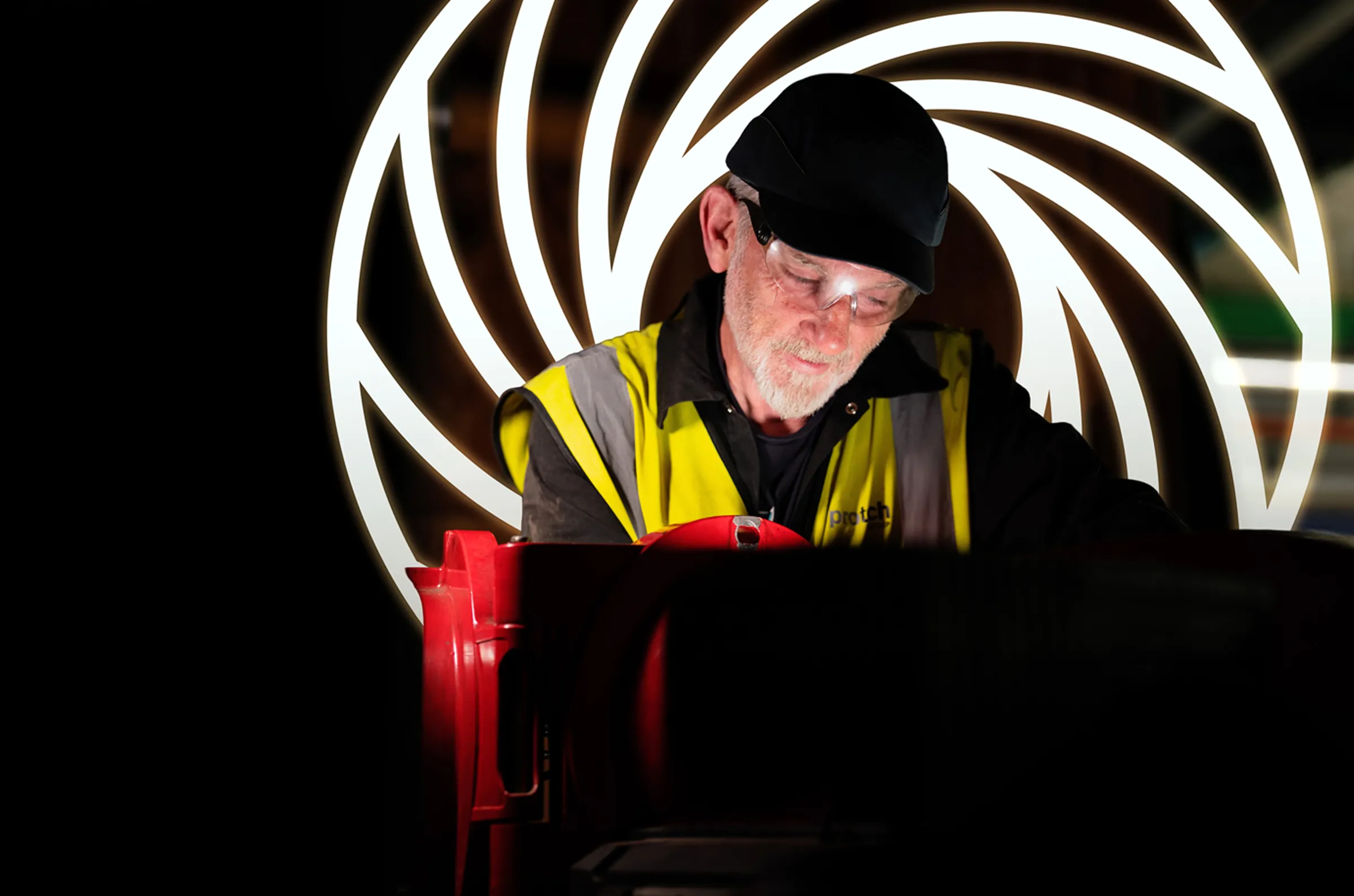
There is no single intervention that decarbonises a commercial building overnight. It takes a sequence of engineering steps, each one justified by data, delivered competently and evidenced for reporting. Protech supports that process from assessment through to ongoing performance verification.
The biggest gains usually come from improving what you already have. Before specifying new plant, it makes sense to understand how your existing systems are performing, where energy is being wasted and what can be recovered through better controls, maintenance and operational adjustments. In many buildings we survey, 15 to 30 percent of HVAC energy consumption can be reduced through measures that do not require capital plant replacement.
We are not a consultancy that produces reports and moves on. We are an engineering business that delivers the physical works: the upgrades, the commissioning, the maintenance and the monitoring. When we recommend a measure, we can also install it, prove it works and maintain it for the long term. That end-to-end accountability is what makes sustainability practical rather than aspirational.

Part of DCC Energy
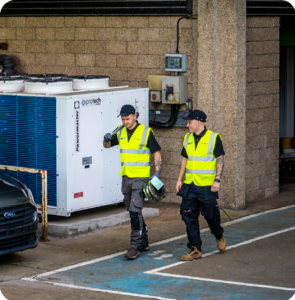
Protech sits within DCC Energy, a group of specialist energy brands delivering integrated solutions across the UK and Ireland. Together, we offer full turnkey project capability, from HVAC and water services through to solar, emergency power, CHP systems, energy resilience, off-grid energy, transport and sustainability consultation.
Being part of DCC Energy means we can bring together the right expertise for complex, multi-discipline projects. Where a client needs more than HVAC or water services, we can draw on the wider group to deliver a complete solution under one programme.
Four Ways We Help You Reduce Energy and Emissions
A practical, phased approach to decarbonisation, starting with what you already have and building towards deeper carbon reductions.

Assess and Baseline
We survey your building, audit your HVAC and water systems, and establish a clear energy and emissions baseline. Without accurate data, you cannot measure progress or prioritise investment.

Optimise What You Have
Controls reprogramming, scheduling adjustments, valve and damper calibration, economiser tuning and maintenance improvements. Low-cost measures that often deliver the fastest return on investment.

Upgrade and Decarbonise
Heat pumps, heat recovery systems, variable speed drives and upgraded building management systems. Every project is engineered to your building, not a generic specification.

Maintain and Evidence
Ongoing planned maintenance, energy monitoring and performance reporting that evidence the impact of every intervention. Your compliance and ESG reporting is backed by real engineering data.
Don’t Know Where to Start on Your Journey?
Most clients come to us knowing they need to reduce energy and emissions but unsure where to begin. We can help you take your first steps with a no-obligation site assessment.
Your Decarbonisation Roadmap
A sequenced programme of measures, each justified by data and delivered to start saving energy as early as possible.
Sustainability Looks Different by Sector
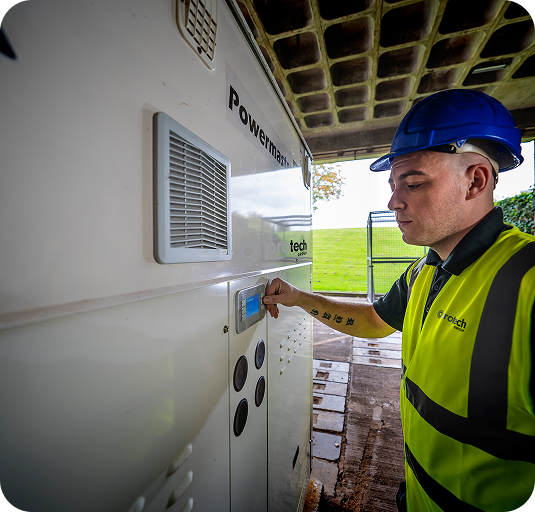
The engineering priorities depend on your building type, operational profile and regulatory environment. Here is how we approach sustainability across the sectors we serve.
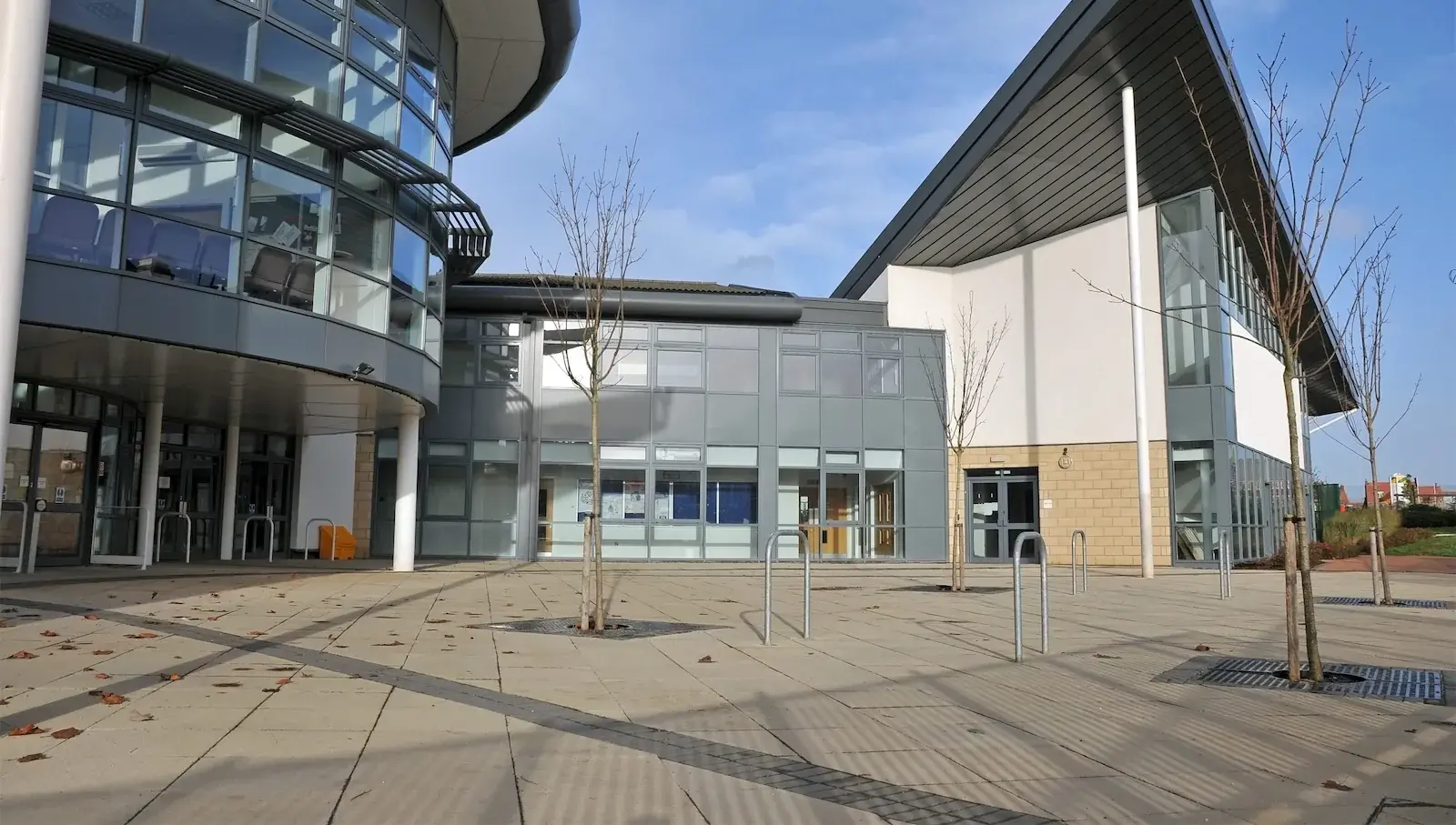
Healthcare
HTM-compliant ventilation, infection control and critical environment management.
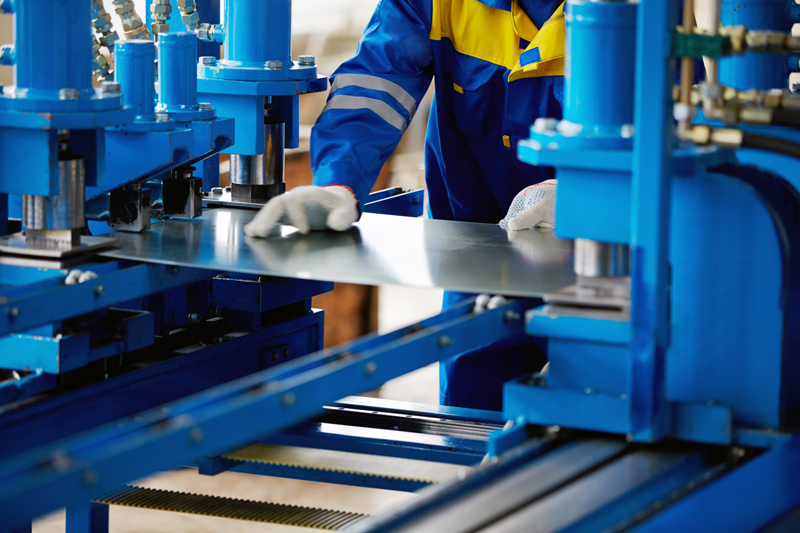
Manufacturing
Process cooling, extract ventilation and production-critical HVAC systems.
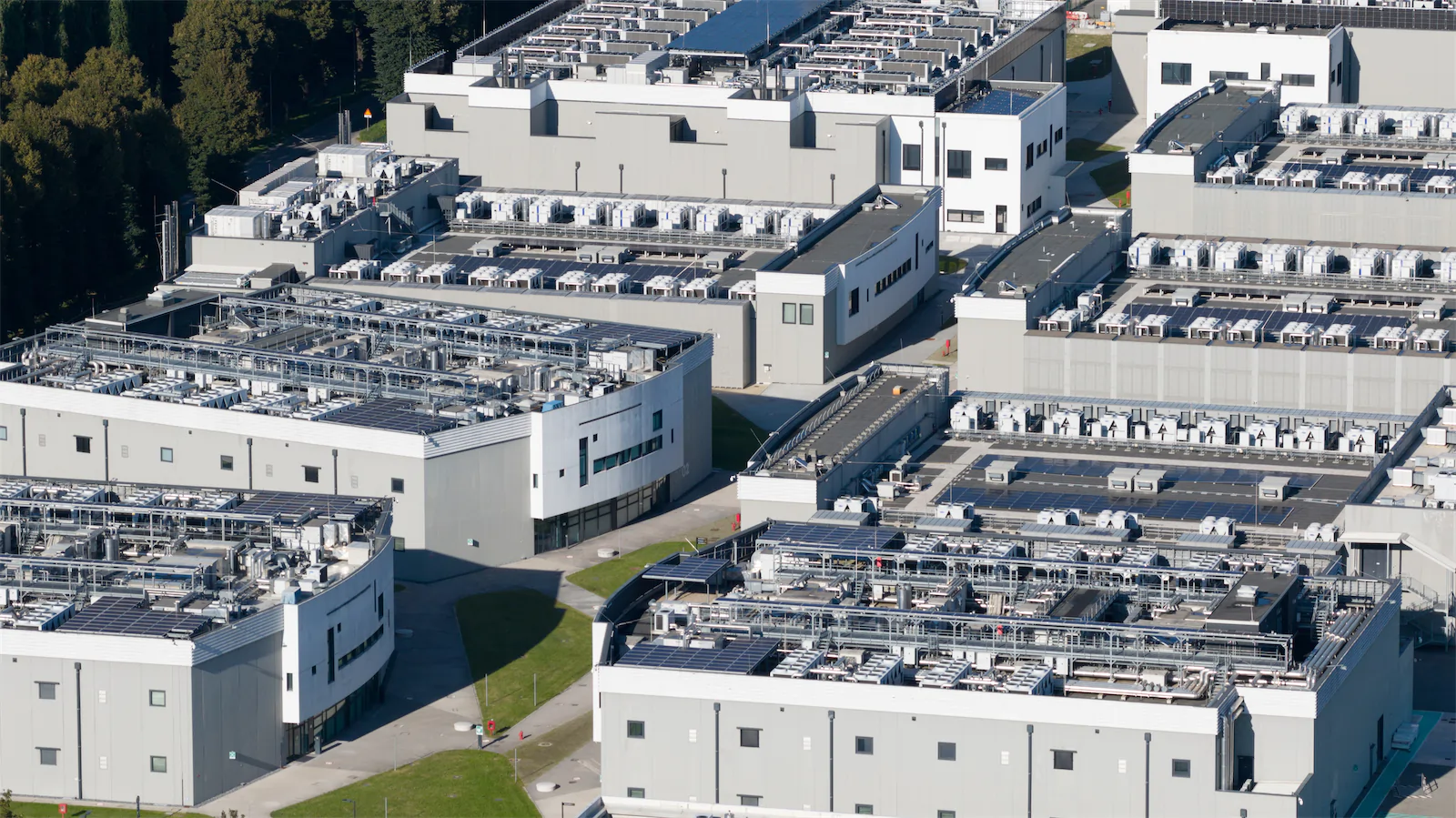
Data Centres
Precision cooling, redundancy planning and continuous uptime for IT loads.
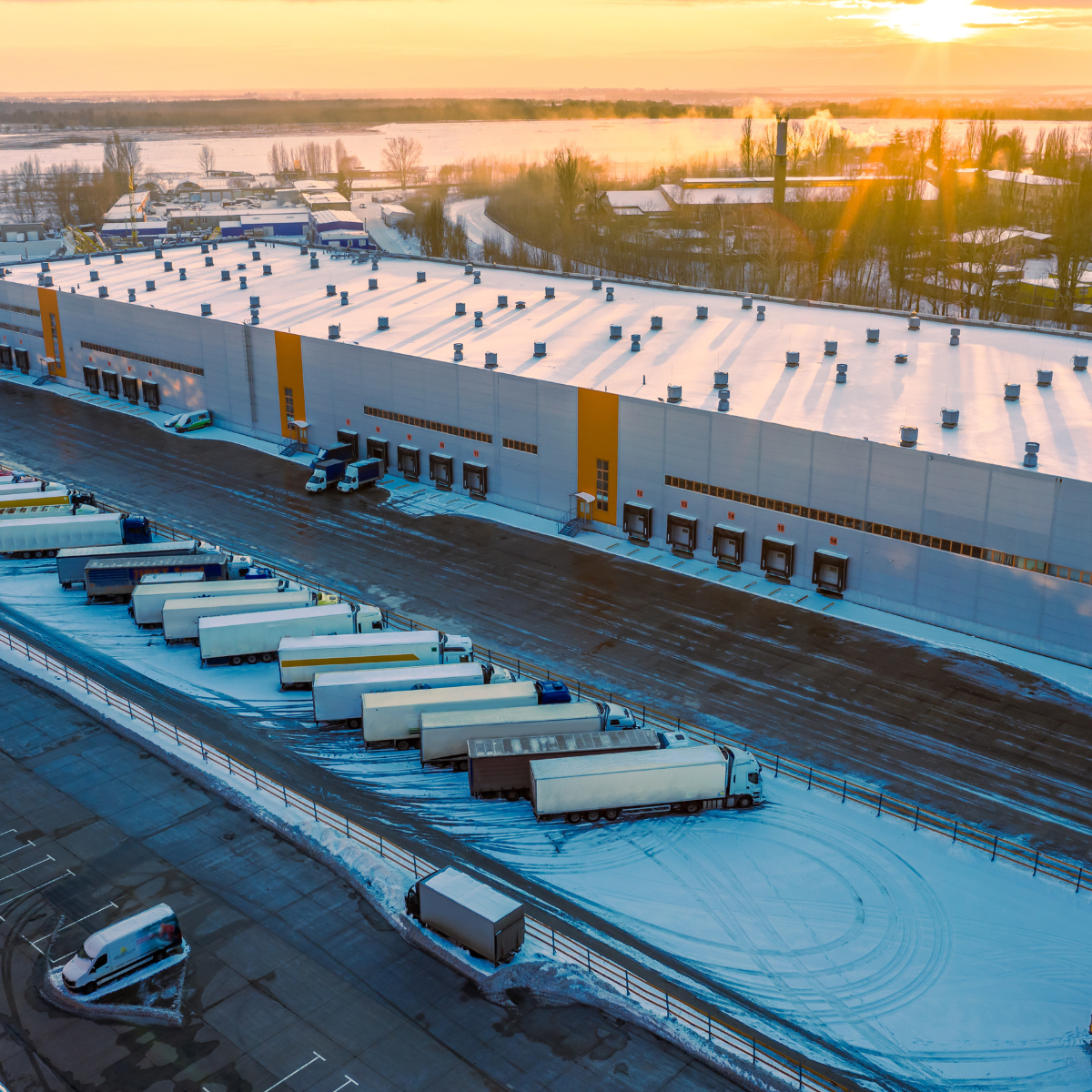
Facilities Management
Multi-site PPM programmes and single-source accountability.
Sustainability FAQs
Practical answers to the questions we get asked most about project work.